Best Wood Router for Beginners 2025: Complete Buying Guide
A wood router is one of the most versatile tools you can add to your workshop. From decorative edge profiles to precision joinery, a quality router opens up a world of woodworking possibilities. But if you’re new to routing, the sheer variety of options — fixed-base, plunge, combo kits, variable speed, different collet sizes — can be paralyzing. This guide cuts through the confusion to help you pick the perfect first router.
Fixed-Base vs. Plunge Routers: What’s the Difference?
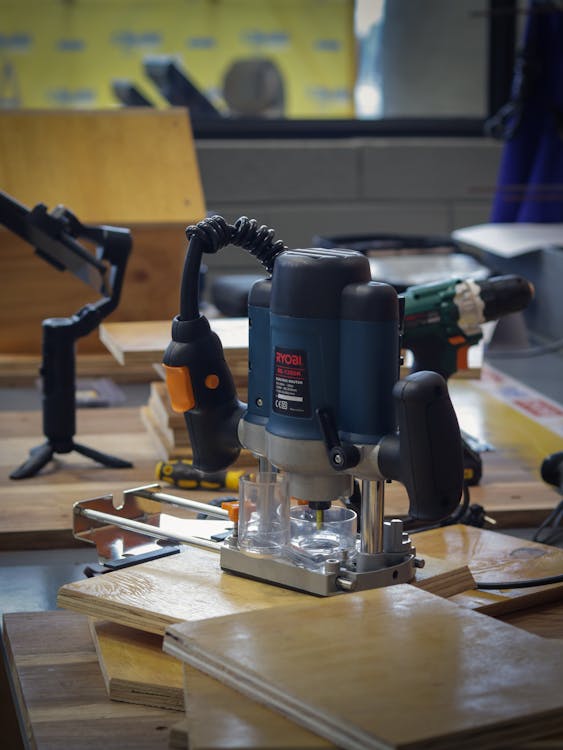
A fixed-base router has the bit set at a specific depth before you start cutting. It’s simpler to use and excels at edge profiling, dado cuts along board edges, and router table work. A plunge router lets you lower the spinning bit into the workpiece from above, which is essential for interior cuts like mortises, inlays, and sign carving. For beginners, a combo kit that includes both bases with one motor is the best value proposition — you get maximum versatility without buying two separate tools.
Quick Comparison
| Router Model | Best For | Price | Buy |
|---|---|---|---|
| Bosch 1617EVSPK | Best Overall Combo Kit | $219 | Check Price |
| DeWalt DW618PKS | Best for Beginners | $189 | Check Price |
Top 5 Routers for Beginners
After testing over a dozen models in our workshop, here are our top picks for those just getting started with routing. The Bosch 1617EVSPK combo kit takes our top recommendation — its smooth 2.25 HP motor, excellent dust collection, and intuitive depth adjustment make it a joy to use right out of the box. The DeWalt DW618PKS is a close second with its soft-start feature that eliminates the jarring startup torque that can intimidate new users.
Essential Router Bits for Beginners
Don’t spend a fortune on router bits right away. Start with a basic set that covers the most common profiles: a 1/4″ roundover for softening edges, a 1/2″ straight bit for dadoes and rabbets, a flush-trim bit for template work, a chamfer bit for decorative bevels, and a Roman ogee for classic furniture edges. Carbide-tipped bits are worth the extra cost over high-speed steel — they stay sharp dramatically longer and produce cleaner cuts. Freud, Whiteside, and Amana are all excellent bit manufacturers.
Safety Tips Every New Router User Must Know
Routers spin at incredibly high speeds — up to 25,000 RPM — so safety is paramount. Always wear eye protection and hearing protection (routers are loud). Feed the workpiece against the bit’s rotation (left to right on the near edge). Never start the router with the bit touching the workpiece. Take shallow passes rather than trying to remove too much material at once — 1/8″ per pass is a good rule of thumb. And always unplug the router before changing bits. These habits will keep you safe and producing quality work for years to come.