Thickness Planer vs Hand Planer: Which Is Right for Your Shop?
Planers transform rough lumber into smooth, dimensioned boards. But the category includes vastly different tools — from $30 hand planes to $5,000 industrial thickness planers. For most woodworkers, the choice comes down to a benchtop thickness planer versus traditional hand planes. Each approach has devoted advocates, and both have legitimate advantages.
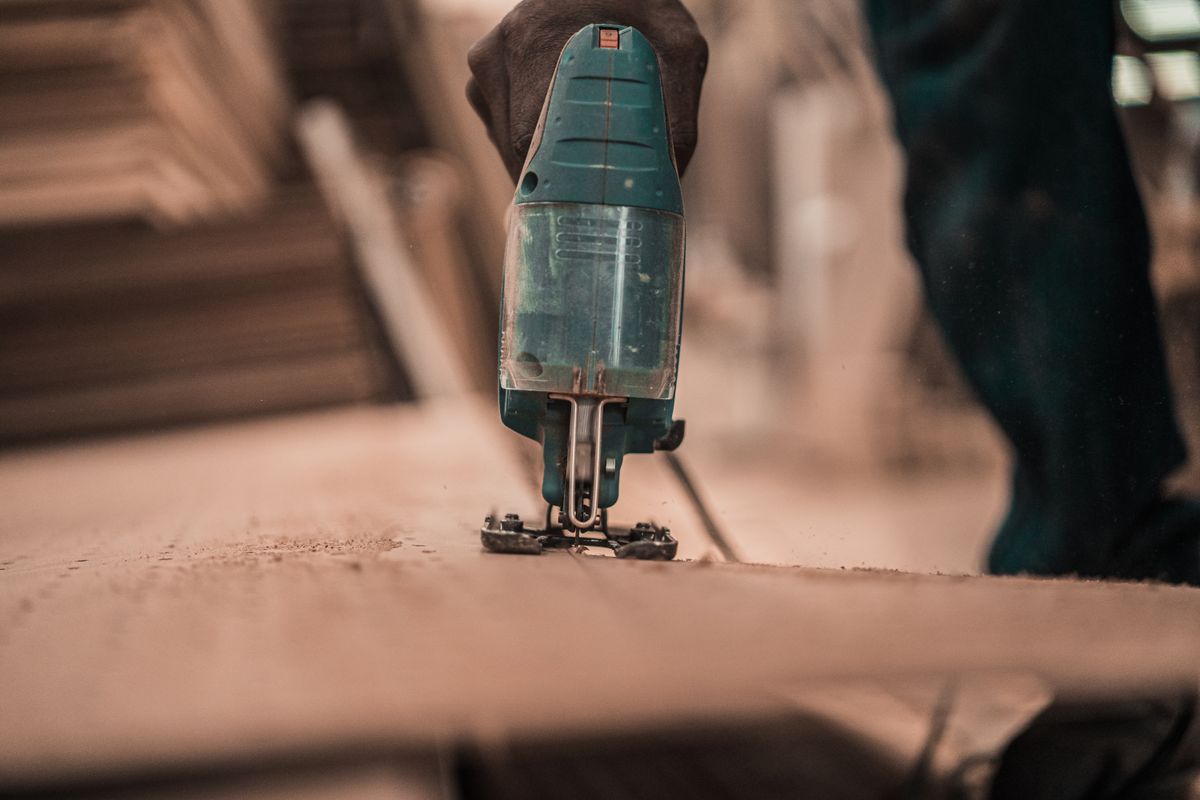
Benchtop Thickness Planers
A benchtop thickness planer is the fastest way to mill rough lumber to consistent thickness. Feed a rough board in one end, and it comes out the other side smooth and perfectly uniform. The DeWalt DW735X is the gold standard for home shops — its three-knife cutterhead produces a surface so smooth that minimal sanding is needed. At around $550, it pays for itself quickly if you buy rough lumber instead of pre-surfaced boards, which typically costs 40-60% less at the lumberyard.
Hand Planes: The Craft Approach
Hand planes produce a surface quality that no machine can match. The burnished sheen left by a sharp hand plane is genuinely beautiful — light reflects differently off a hand-planed surface versus a sanded one. Hand planes are also quieter, create shavings instead of dust, don’t require electricity, and teach you to read wood grain in ways that deepen your woodworking understanding. A quality No. 4 smoothing plane from Lie-Nielsen or Veritas costs $250-$375 and will last generations.

The Practical Answer: Get Both
Most serious woodworkers eventually own both. A thickness planer does the heavy lifting — taking rough 5/4 lumber down to 3/4″ quickly and consistently. Then hand planes handle final smoothing, fitting joints, and those delicate tasks where machine accuracy isn’t precise enough. Start with a thickness planer if budget forces you to choose one — the time savings on dimensioning lumber are enormous. Add hand planes as your skills develop and you begin to appreciate the craft.