Track Saw vs Circular Saw: Is the Premium Price Justified?
Track saws have exploded in popularity among woodworkers who want table-saw-quality cuts with portable convenience. But with prices 3-5x higher than a standard circular saw, many wonder if the upgrade is worth it.
What Makes Track Saws Different
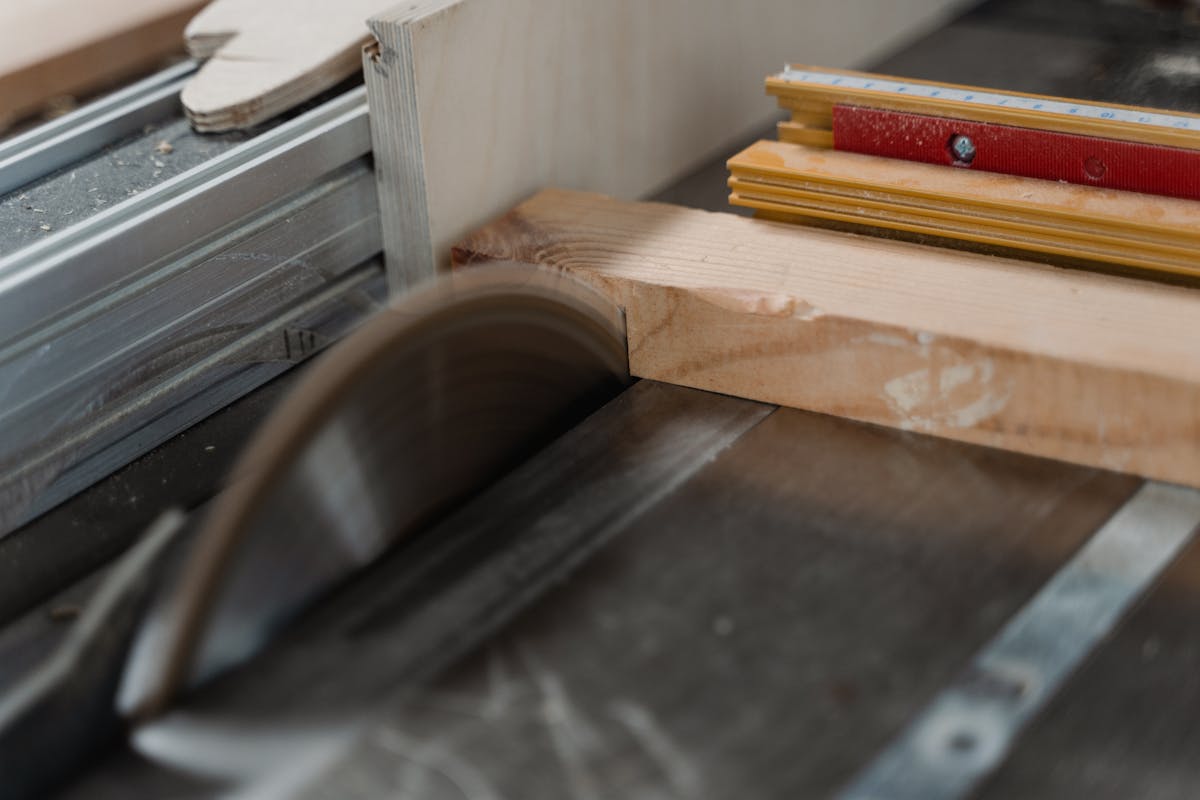
A track saw rides along an extruded aluminum guide rail, eliminating the need for clamps, straightedges, or freehand cutting. The blade plunges from above into the material, and anti-splinter strips on the track ensure clean edges on both sides of the cut.

Where Circular Saws Still Win
Circular saws remain the go-to for framing, rough carpentry, and job-site cutting where precision isn’t critical. They’re lighter, more affordable, and nearly every contractor already owns one.

Cut Quality Comparison
| Feature | Track Saw | Circular Saw |
|---|---|---|
| Accuracy | ±0.5mm over 8ft | Depends on guide |
| Edge Quality | Splinter-free | Tearout common |
| Plunge Cut | Yes | Not recommended |
| Dust Collection | Excellent | Poor |
| Price | $350 – $700+ | $60 – $200 |

Related Articles
- Best Circular Saw for Beginners 2025: Complete Buying Guide
- Corded vs Cordless Circular Saw: Which Cuts Better in 2025?
- Best Table Saw Under $500: 7 Models Tested and Ranked
The Verdict
If you regularly break down sheet goods a track saw will pay for itself in saved material and time. However, if your work is primarily framing or rough carpentry, stick with the circular saw. Many serious woodworkers own both.