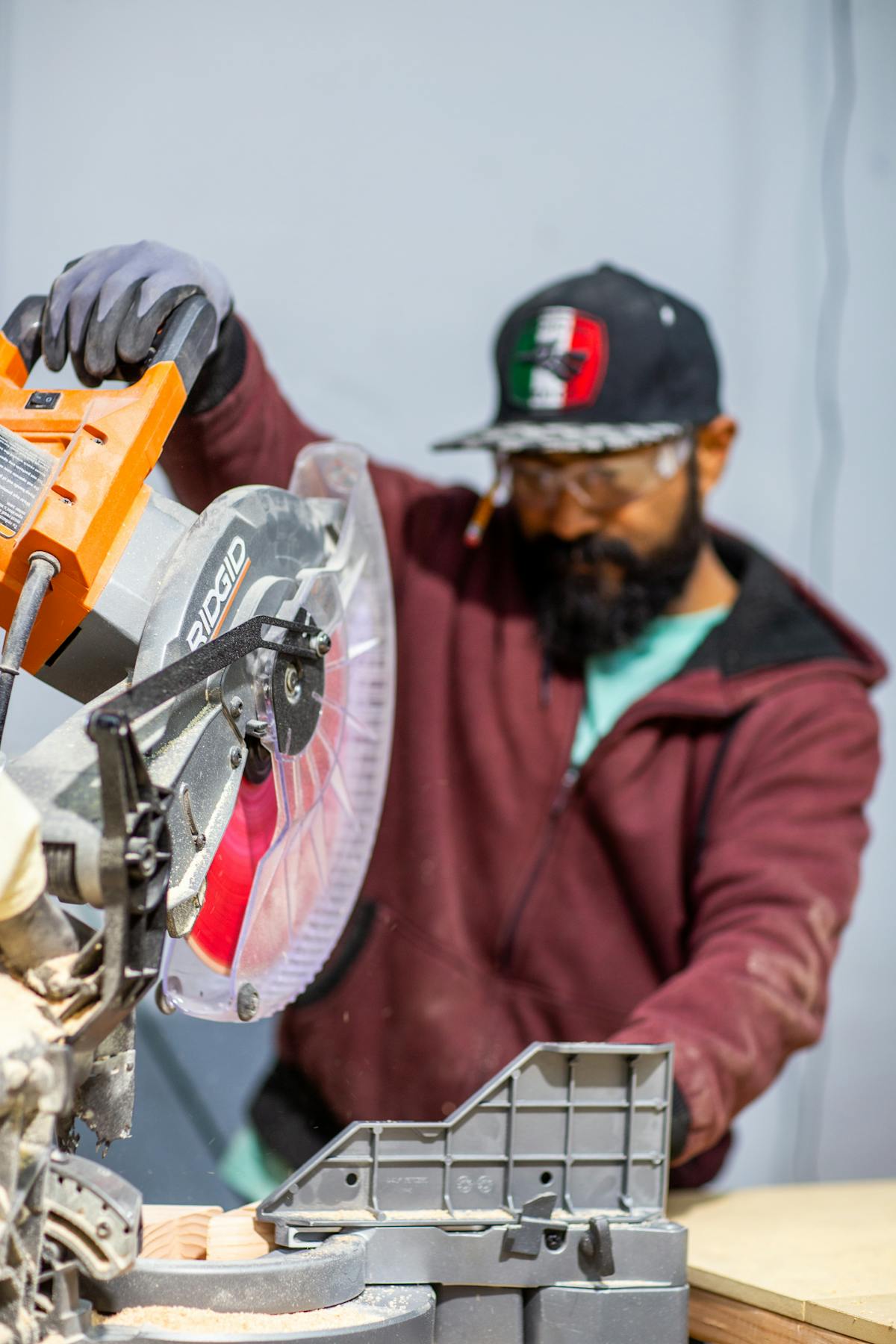
Best Sliding Miter Saw 2025: 10″ vs 12″ Comparison
A sliding compound miter saw is essential for anyone doing trim work, framing, or furniture building. The sliding mechanism lets you crosscut boards much wider than a standard miter saw — up to 16 inches with a 12″ model. But should you go with a 10″ or 12″ blade? This guide compares the two sizes and recommends the best models in each category.

10″ vs 12″ Miter Saws: The Key Differences
| Feature | 10″ Sliding Miter | 12″ Sliding Miter |
|---|---|---|
| Max Crosscut Width | 12″ | 16″ |
| Cut Depth at 90° | 3.5″ | 4″ |
| Blade Cost | $25-$60 | $40-$90 |
| Typical Weight | 45-55 lbs | 55-75 lbs |
| Price Range | $250-$500 | $350-$700 |
| Best For | Trim, molding, DIY | Framing, decking, wide boards |
Our Top 10″ Pick: DeWalt DWS780
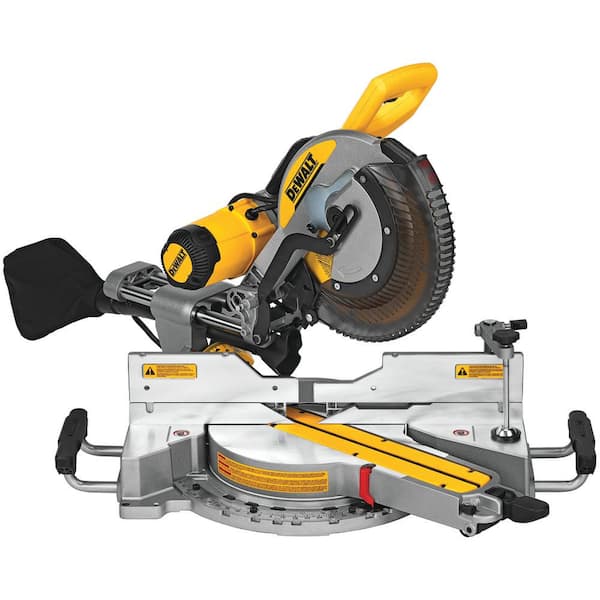
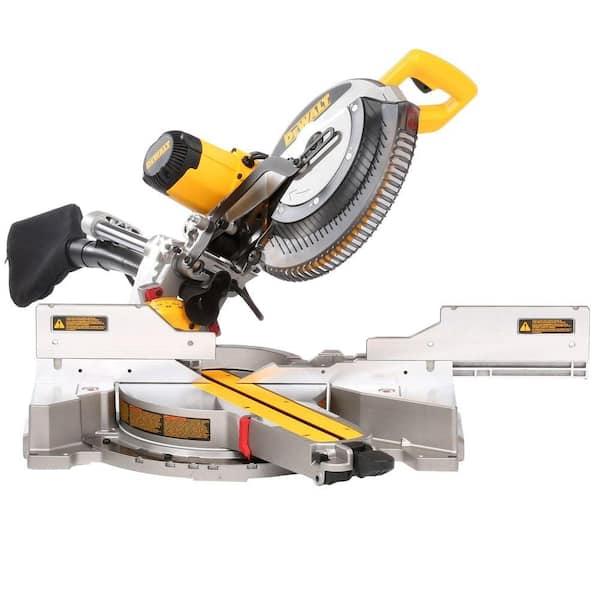
The DeWalt DWS780 is a 12″ model, but DeWalt’s DWS779 in the 12″ category and the compact DWS716XPS in 10″ represent the brand exceptionally well. For a dedicated 10″ sliding miter, the Bosch GCM18V-10SDN (cordless) has been a game-changer. Its BITURBO brushless motor delivers corded-level performance, and the innovative glide system replaces the traditional slide rails with a compact articulating arm — meaning you can push the saw right against a wall without sacrificing cut capacity.

Which Size Should You Choose?
For most home woodworkers and trim carpenters, a 10″ sliding miter saw is the sweet spot. It handles crown molding up to 6-5/8″ nested, crosscuts 2×8 lumber easily, and blades cost significantly less than 12″ versions. Go with a 12″ if you regularly work with wider lumber (2x12s, 6/4 boards), do deck building or framing, or need to cut 4×4 posts in a single pass. The extra cutting capacity of a 12″ saw is meaningful, but so is the extra weight and blade expense — choose based on your actual needs, not what might theoretically be useful someday.






Great comparison between 10 and 12 inch models. I went 12 inch for the extra crosscut capacity and don’t regret it one bit.