Angle Grinder Buying Guide: Corded vs Cordless in 2025
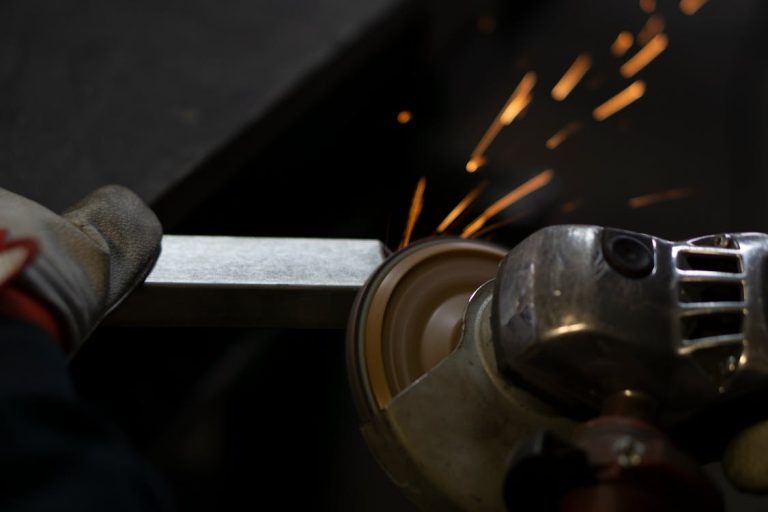
Angle grinders are the Swiss Army knives of the power tool world. With the right disc, they can cut metal, grind welds, remove rust, polish surfaces, cut tile, and even carve wood. The big question for 2025 buyers is whether to go corded or cordless. Both have gotten significantly better in recent years, and the answer depends on how you plan to use the tool.
Corded Angle Grinders: Unlimited Power
Corded angle grinders remain the top choice for extended metalwork sessions. They deliver consistent power that never fades, and they’re significantly cheaper than their cordless counterparts. A quality 4.5″ corded grinder from DeWalt, Makita, or Bosch can be had for $60-$90 and will run all day without a break. If you’re doing serious fabrication work — grinding welds, cutting rebar, notching steel — corded is still the practical choice. The Makita 9557PBX1 at $79 is our top corded pick, offering 7.5 amps of smooth, controllable power with excellent ergonomics.
Cordless Angle Grinders: Freedom of Movement
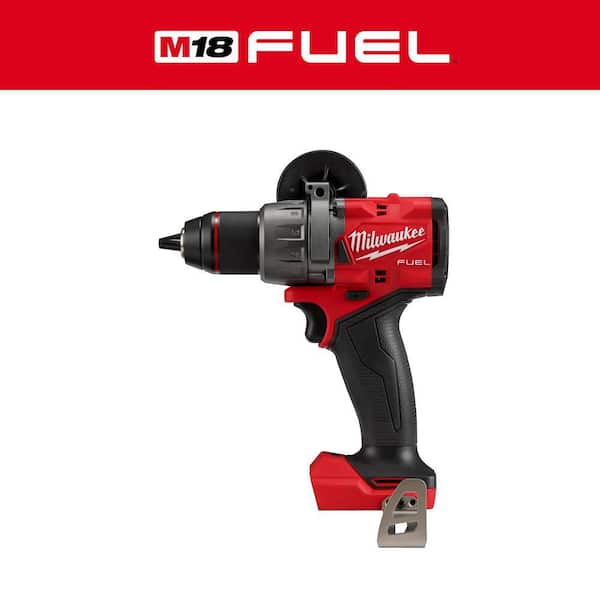
Cordless grinders have improved dramatically. Today’s top models from Milwaukee, DeWalt, and Makita deliver performance that genuinely rivals corded tools for most tasks. The Milwaukee M18 FUEL 2880-20 is our top cordless pick — its brushless motor delivers the equivalent of a corded grinder’s output, and with a 6.0Ah HIGH OUTPUT battery, you can make dozens of cuts between charges. The convenience factor is enormous: no cord to trip over, no extension cord to drag across a jobsite, and instant mobility.
Safety Features to Look For
Modern grinders come with safety features that older models lack. Look for a paddle switch (deadman switch) that stops the grinder if you lose your grip. Anti-vibration handles reduce fatigue during extended use. Electronic clutch protection prevents the grinder from kicking back if the disc binds. Soft-start gradually brings the disc up to speed instead of a violent jerk. These features aren’t just convenient — they can prevent serious injuries. An angle grinder spins at 11,000 RPM, and a disc failure at that speed is genuinely dangerous.
Choosing the Right Disc Size
Most DIYers and tradespeople will be best served by a 4.5″ or 5″ grinder. These sizes offer a good balance of cutting depth and maneuverability. A 4.5″ disc cuts roughly 1.5″ deep, which is enough for most angle iron, tubing, and sheet metal work. If you regularly cut thicker stock — rebar, thick steel plate, or large pipe — step up to a 6″ or even a 9″ grinder for faster, safer cutting. Just remember that larger grinders are heavier and harder to control, so stick with the smallest size that gets the job done.