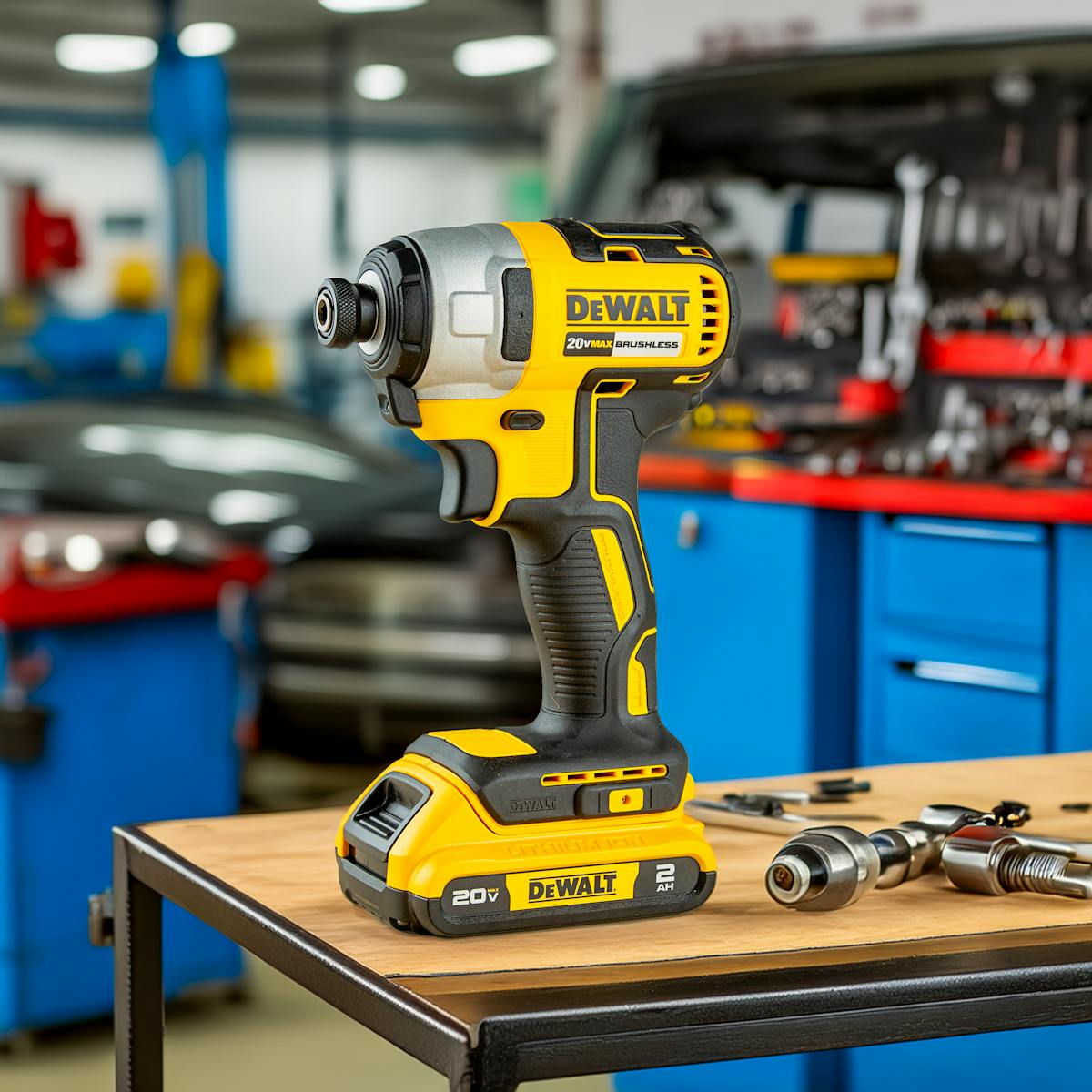
Brushless vs Brushed Motors: Is the Upgrade Worth It?
Every power tool manufacturer now pushes brushless motors as a premium feature, often charging 30-50% more for brushless versions of the same tool. But what exactly makes a brushless motor better, and is the price premium justified? We break down the technology, test the real-world differences, and help you decide when to pay extra and when to save your money.
How Brushed Motors Work
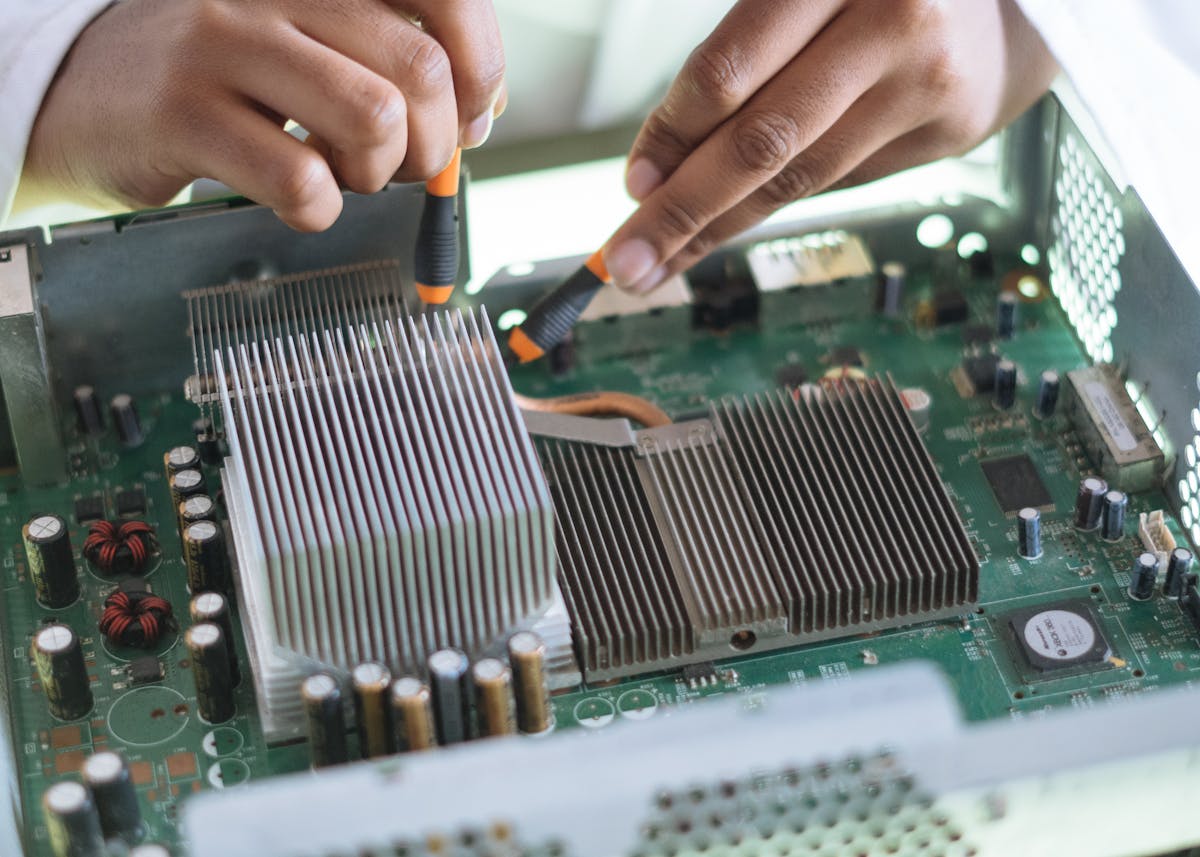
A brushed motor uses physical carbon brushes that press against a spinning commutator to transfer electricity to the rotor. This design has been used for over 100 years and is simple, reliable, and inexpensive to manufacture. The downside is friction — those brushes create heat and wear down over time, reducing efficiency and eventually requiring replacement. Brushed motors typically convert about 75-80% of electrical energy into mechanical work, with the rest lost as heat.
How Brushless Motors Work
A brushless motor eliminates the physical brushes entirely. Instead, electronic controllers precisely time the electromagnetic fields to spin the rotor. With no friction from brushes, these motors run cooler, quieter, and more efficiently — typically converting 85-90% of energy into useful work. The electronic controller can also adjust speed and torque dynamically based on load, effectively giving the tool a “brain” that optimizes performance for each task.
Real-World Performance Comparison
| Factor | Brushed | Brushless |
|---|---|---|
| Runtime per charge | Baseline | 25-50% longer |
| Motor lifespan | 500-1,000 hours | 2,000-5,000+ hours |
| Power output | Good | 10-30% more |
| Heat generation | Higher | Lower |
| Price premium | — | 30-50% more |
| Maintenance | Brush replacement needed | Zero motor maintenance |
When to Pay the Premium
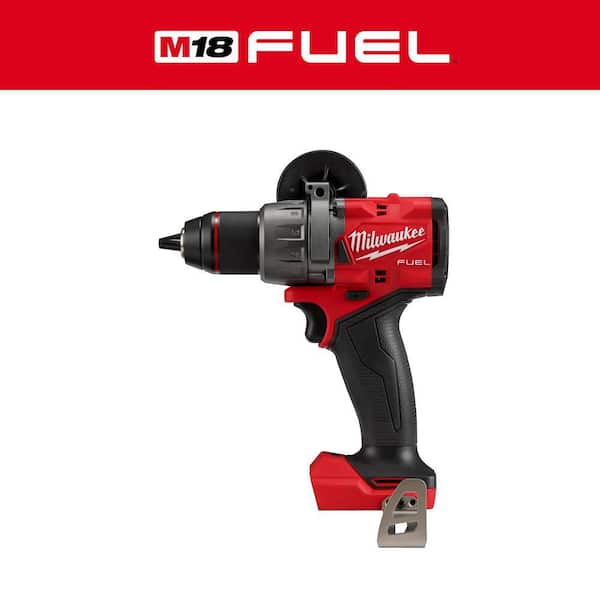
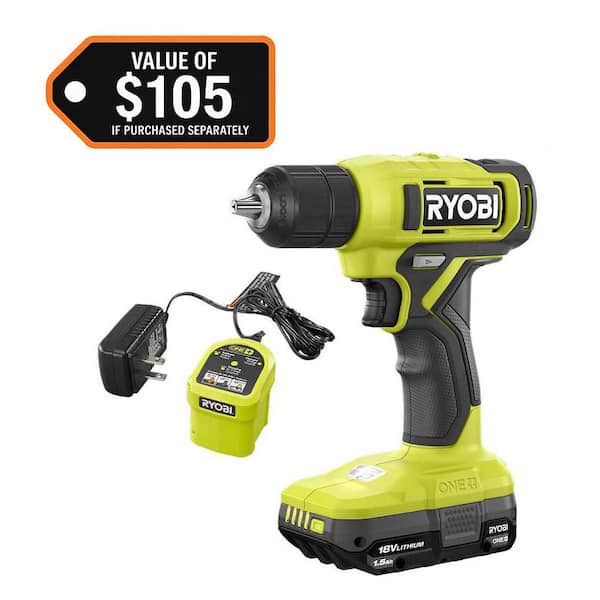
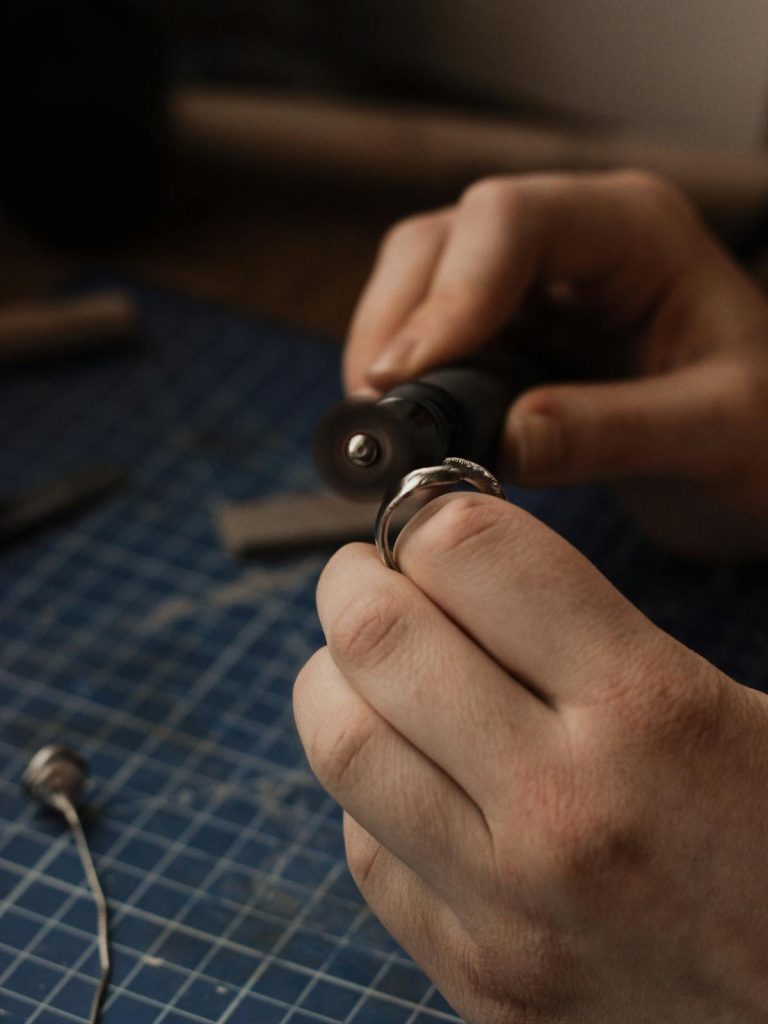
Brushless is worth the upgrade for tools you use frequently and for extended periods — drills, impact drivers, circular saws, and grinders that see regular duty will benefit most from the longer runtime and cooler operation. For tools you use occasionally — a heat gun, a reciprocating saw for annual tree pruning, or a rotary tool for craft projects — the brushed version is perfectly fine and saves you real money. Our rule of thumb: if you’ll use the tool weekly, go brushless. If monthly or less, save your money with brushed.
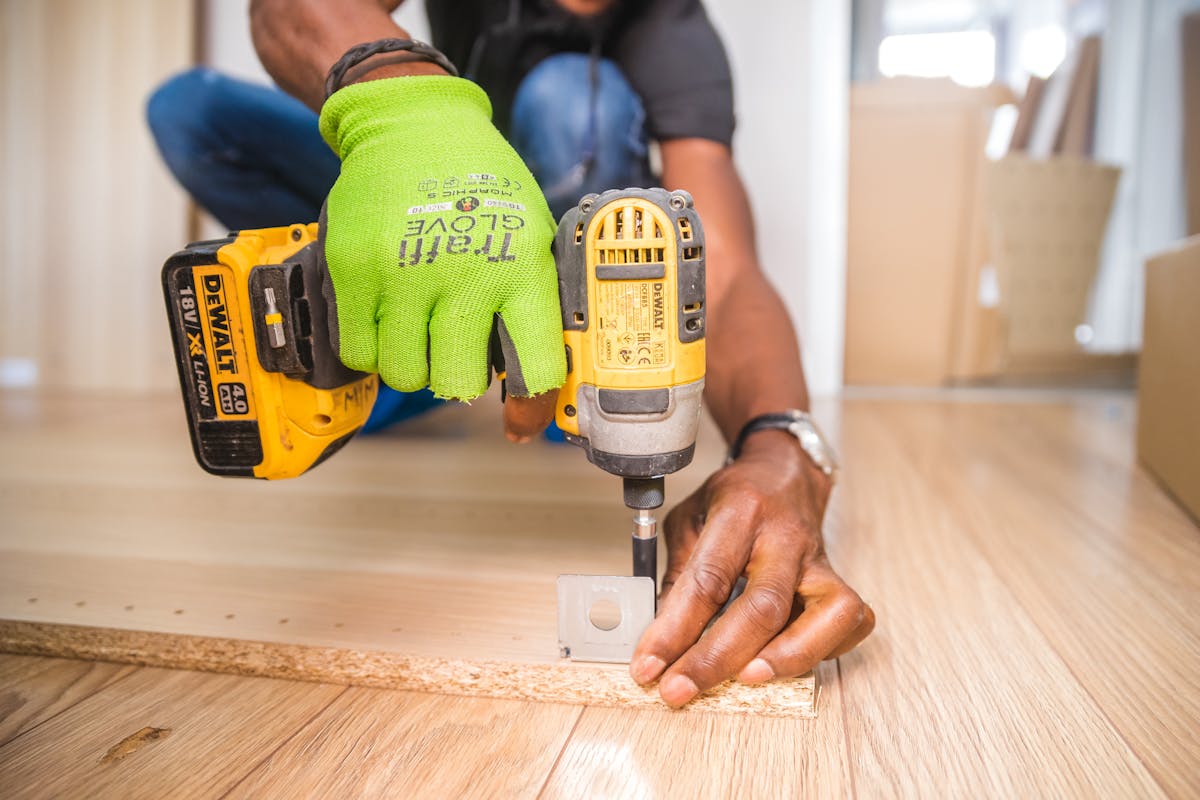

Went brushless on my new drill and the difference is night and day. More power, less heat, and my batteries last way longer.