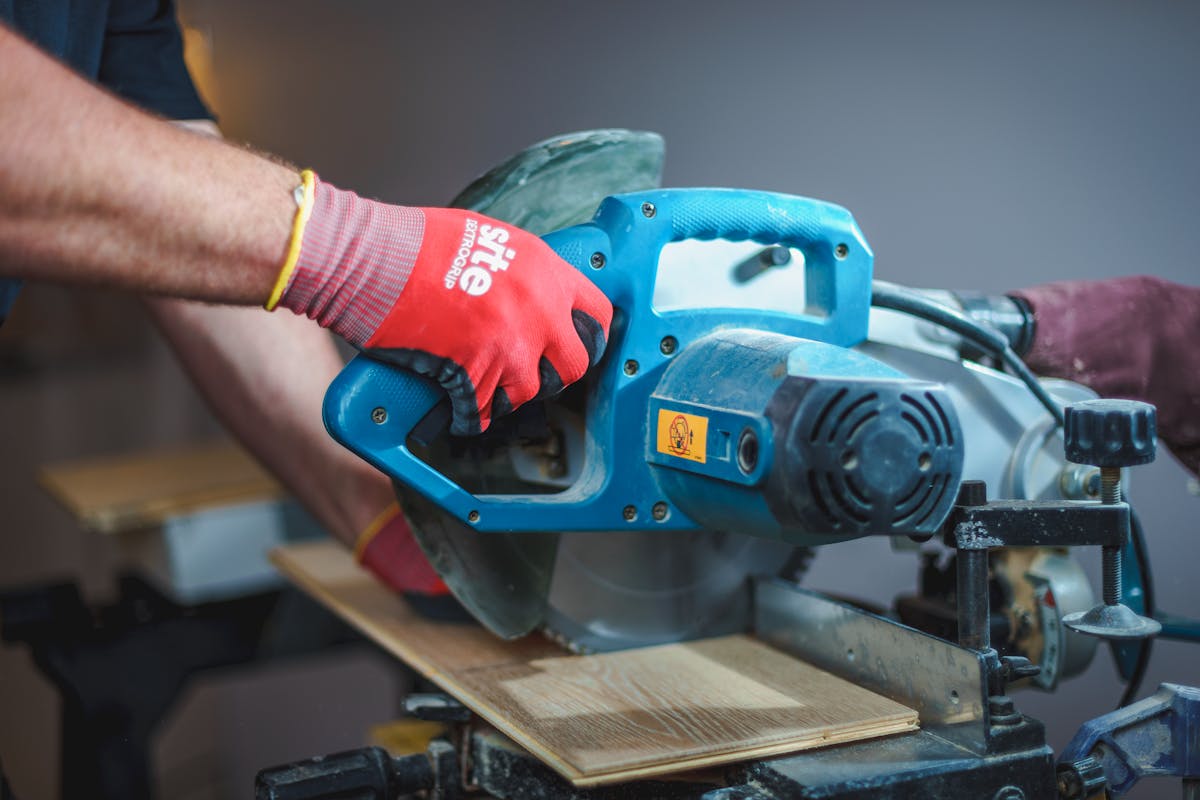
Corded vs Cordless Circular Saw: Which Cuts Better in 2025?
The circular saw is the most important cutting tool for construction, remodeling, and general woodworking. For decades, corded models were the undisputed champions. But cordless circular saws have improved so dramatically that the gap has nearly closed. We tested five corded and five cordless models head-to-head to settle the debate once and for all.

Power Comparison
| Feature | Corded (15A) | Cordless (18-36V) |
|---|---|---|
| Sustained Power | Unlimited | 150-300 cuts per charge |
| Cutting Speed | 5,800 RPM | 5,200-5,800 RPM |
| Weight | 8-10 lbs | 7-9 lbs (with battery) |
| Price (quality model) | $80-$150 | $150-$300 |
| Best For | Shop use, long rip cuts | Jobsite, general use |
The Verdict
For most users in 2025, a cordless circular saw is the better buy. The top models from DeWalt (DCS578X1), Milwaukee (2732-21HD), and Makita (XSH06PT) deliver cutting performance that matches corded saws in all but the most demanding continuous-use scenarios. The freedom from cords is transformative on a jobsite. Keep a corded saw if you do long production rip cuts in a shop setting — the unlimited runtime still matters there. But for everything else, go cordless and don’t look back.



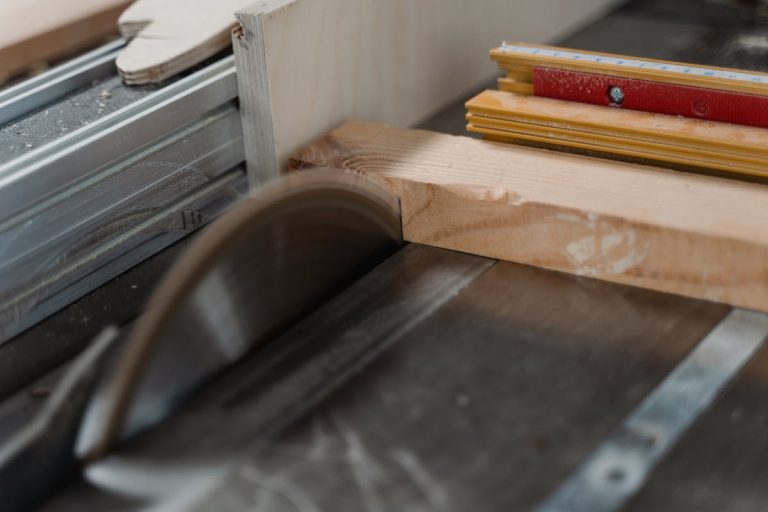

I still prefer corded for ripping plywood all day. The power is consistent and I never have to stop for battery swaps. But for framing? Cordless all the way.